What is the Earth BioGenome Project?
Powerful advances in genome sequencing technology, informatics, automation, and artificial intelligence, have propelled humankind to the threshold of a new beginning in understanding, utilizing, and conserving biodiversity. For the first time in history, it is possible to efficiently sequence the genomes of all known species, and to use genomics to help discover the remaining 80 to 90 percent of species that are currently hidden from science.
How many species have been sequenced so far?
A GRAND CHALLENGE
The Earth BioGenome Project (EBP), a moonshot for biology, aims to sequence, catalog and characterize the genomes of all of Earth’s eukaryotic biodiversity over a period of ten years.
A GRAND VISION
Create a new foundation for biology to drive
solutions for preserving biodiversity and sustaining human societies.
Why Sequence Life?




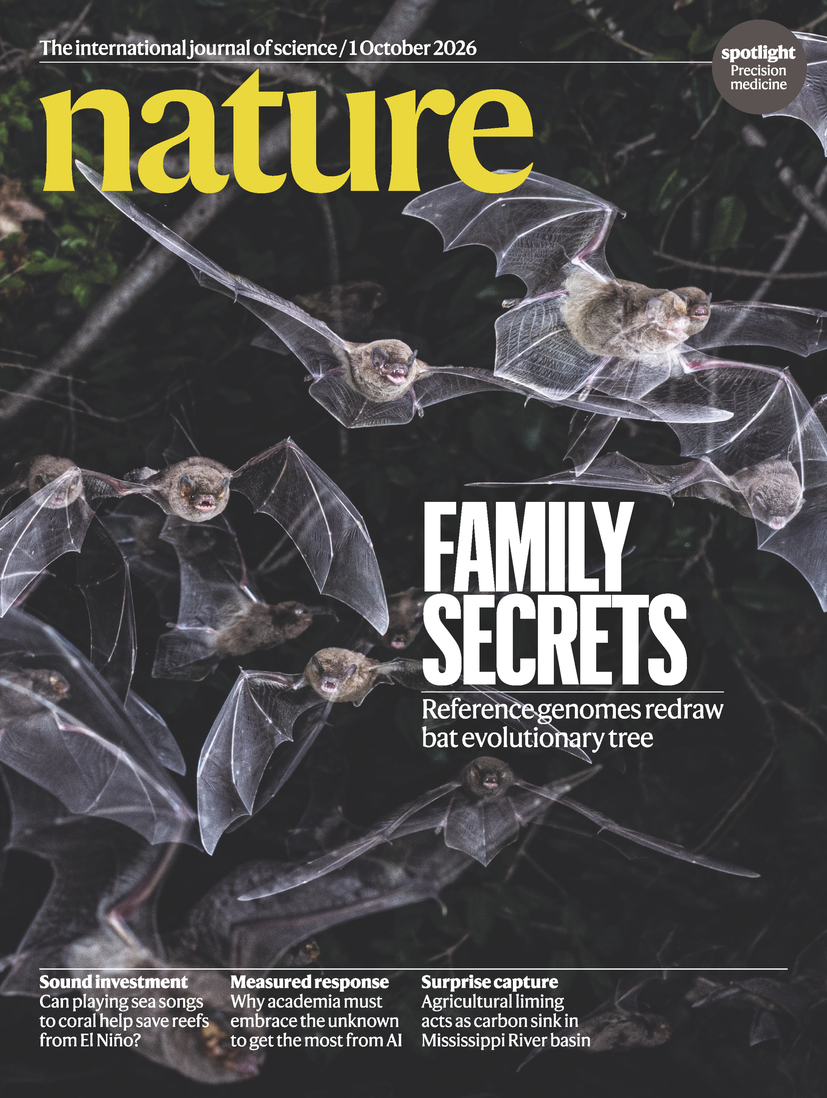
Reference genomes and fossils revise bat family phylogeny and biogeography
“We analysed chromosome-level, long-read genome assemblies from 103 bat species, including 42 new assemblies, representing all 21 bat families. This dataset, expanded in scope and assembly quality, yielded a new bat phylogeny.”
Authors: Morales A., Liang Y., Thomas W., Leushkin E., Castellanos F., Larkin D., Brown T., Fromm B., Hand S., Huang Z., Hughes G., Jones M., Lim B., Mai M., Myers E., Pippel M., Puechmaille S., Simmons N., Abueg L., Ahituv N., AlAbdulsalam Z., Alvarez van Tussenbroek I., Aparicio D., Arcila Hernández L., Ben Hamadou A., Benda P., Blaxter M., Borisenko A., Brocca J., Cabezón N., Carbone L., Carvajal J., Chan W., Davis P., Dechmann D., Denzinger A., Eger J., Eiseb S., Enard D., Engstrom M., Foley N., Formenti G., Fuller J., Galván I., Gamage A., Gemmell N., Gillum J., Gonzales-Irribarren A., Gonzalez M., Goodman S., Gray J., Greve C., Guernsey M., Gutiérrez E., Guttman Y., Hackenberg M., Hilario E., Hilgers L., Horsley T., de Waal M., Jafferally D., Jarvis E., Joemratie S., Knörnschild M., Kohles J., Kontopoulos D., Koo B., Lauterbur M., Letko M., Lewin H., Liu S., Lizamore D., Lloyd B., Loureiro L., MacSwiney G M., Malovichko Y., McCaffrey K., Melville D., Meyer M., Mgoola W., Muffato M., Munster V., Murphy W., Nagy M., Nesi N., Nevonen K., Nicolaou H., Nkrumah E., Norman Z., O’Toole B., Olson S., Ondzie A., Opoku B., Ortega J., Pearman W., Perez-Llanos F., Phelps K., Pieri M., Power S., Prylutskyi M., Pulido-Santacruz P., Qi G., Rodríguez-Herrera B., Rojas D., Roopsind I., Rossiter S., Scharff C., Schell T., Seifert S., Simal F., Soisook P., Sommer S., Spalton A., Stone E., Sudmant P., Talbot S., Timm R., Uelze L., Upham N., Uvizl M., Vallo P., Vazquez J., Wang L., Watson L., Whitby D., Winkler S., Winter Y., Yohe L., Zavodna M., Zhang N., Zhao H., Ray D., Vernes S., Dávalos L., Hiller M., Teeling E. Pasted markdown
Journal: Nature (2026)
Photo credit: Daniel Whitby
EBP Life Newsletter
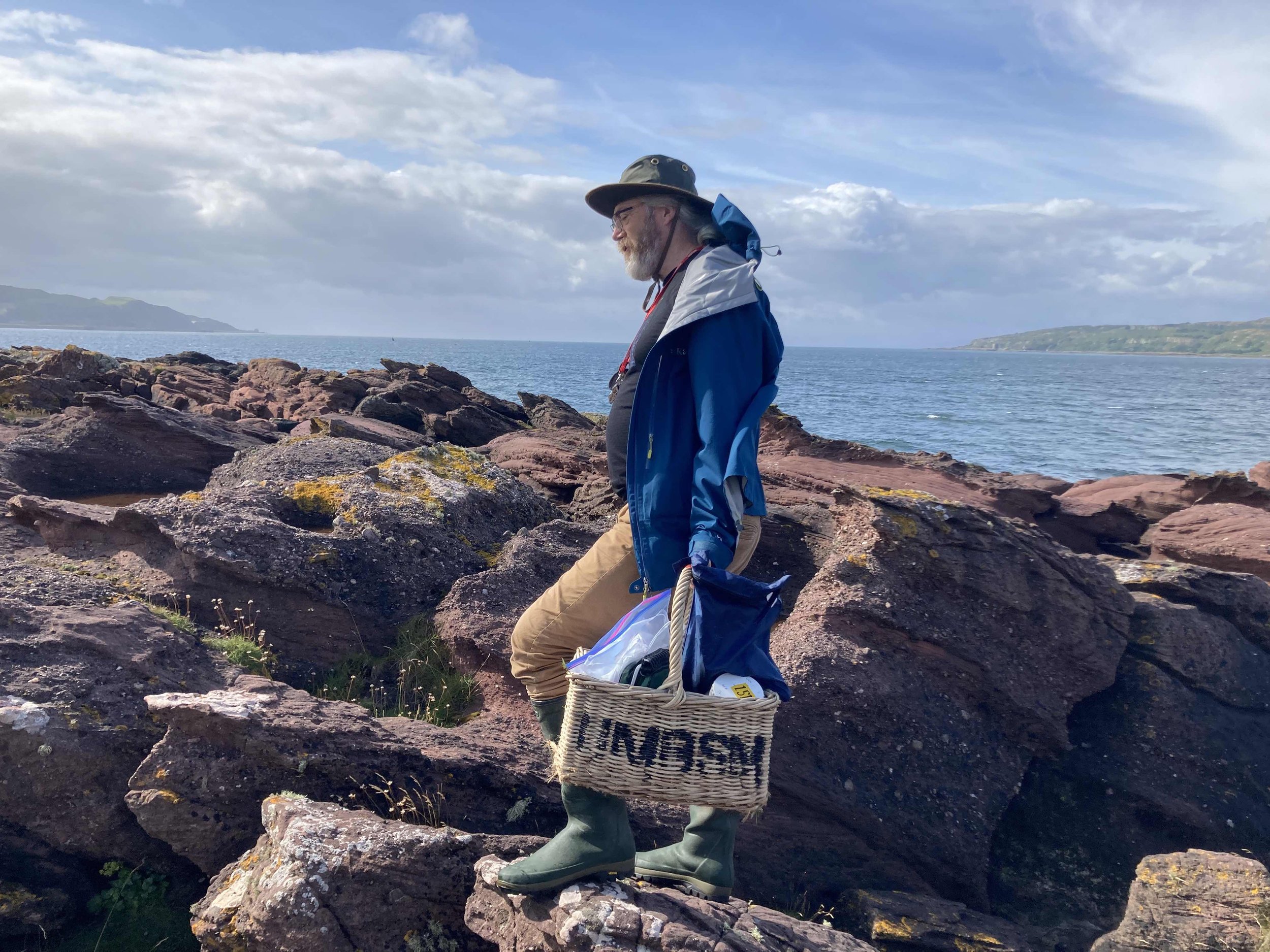
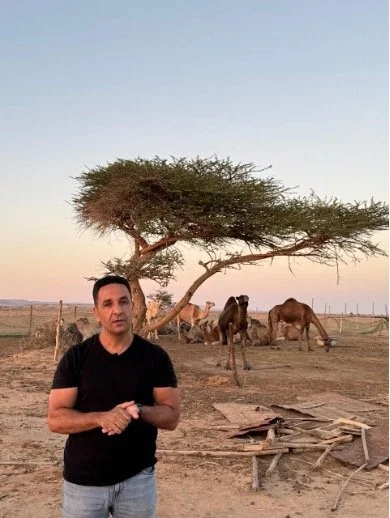
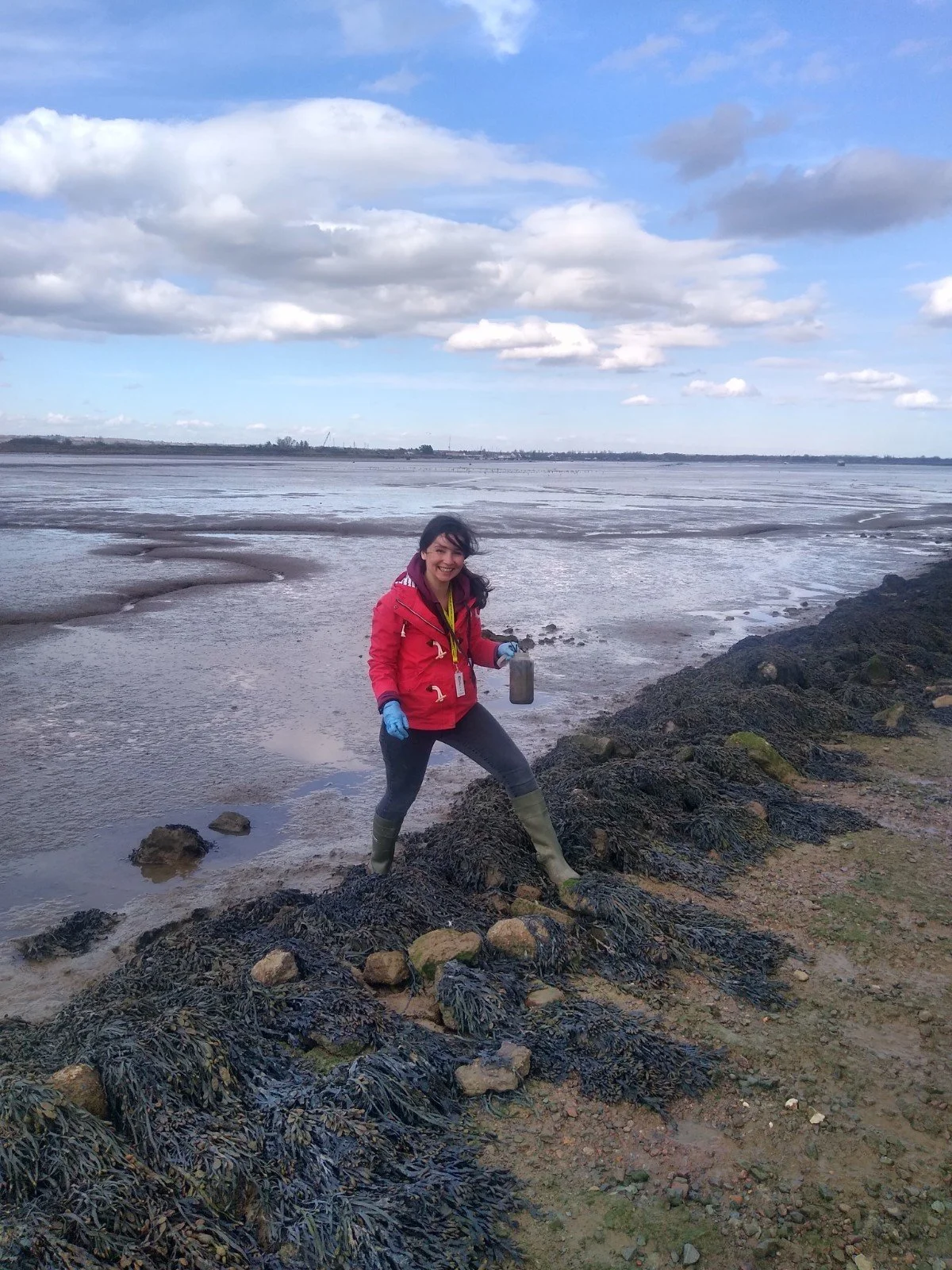
We're excited to share Issue 6 of EBP Life, highlighting the methods, innovations, and collaborations driving the next phase of biodiversity genomics. As the Earth BioGenome Project (EBP) approaches the completion of 10,000 high-quality reference genomes in Phase I, the focus is shifting from sequencing individual genomes to building the systems that will enable reference-quality genomes for Earth's ~1.8 million named eukaryotic species.
Issue 6: Genomic Frontiers—Methods, Limits & Breakthroughs
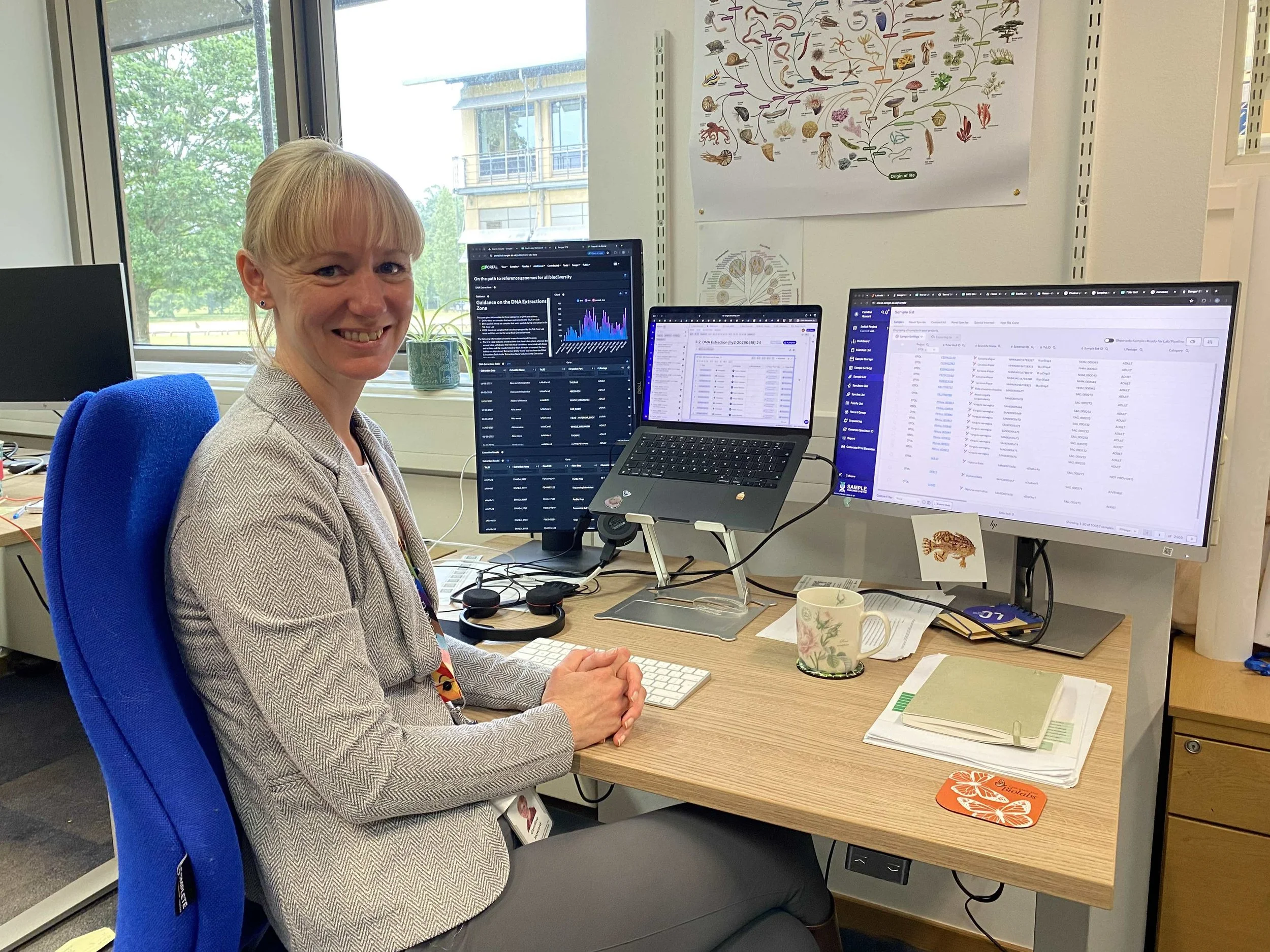
How do you scale biodiversity genomics from hundreds of genomes to hundreds of thousands? In this issue of EBP Life, researchers from across the EBP network explore the technologies, laboratory innovations, and collaborative approaches making large-scale biodiversity genomics possible. Featured in this issue, Dr Caroline Howard of the Wellcome Sanger Institute shares how automation, operational infrastructure, and a willingness to "fail fast and then learn" are helping transform genome sequencing from individual projects into a scalable global enterprise.
“As the biodiversity crisis gathers pace, so must our sequencing.”
Professor Harris Lewin, Chair, EBP Executive Council